What are ESE pods? While this question may not be as profound as pondering the meaning of life or the sound of a tree falling in an uninhabited forest, it’s clearly a topic of interest since you’re here reading about ESE pods.
As for the tree in the forest, if there’s nobody there to hear it, the other trees might humorously “laugh” at the misfortune of their fallen companion. This whimsical notion is not scientifically proven but adds a touch of humor to the age-old question.
Regarding the gatherings at No. 10, it seems the frequency varies, with perhaps only two or three events on a typical Wednesday. But let’s move on to the main topic: ESE pods.
ESE pods, or Easy Serve Espresso pods, are designed for convenience. You place them in the ESE basket of your espresso machine using an adapter, which many home espresso machines include. The idea is to simplify the espresso-making process by eliminating the need to grind, dose, and tamp the coffee. Instead, you simply insert a pod. The Specialty Coffee Association defines espresso as a 25–30 ml beverage brewed at 9 bars of pressure, and ESE pods are engineered to meet this standard with minimal effort.
Traditionally, making espresso involves grinding coffee, weighing it into the portafilter for dosing, and tamping. With ESE pods, you bypass these steps by placing the pod directly into the portafilter basket. This approach removes the need for precise tamping technique, which baristas often spend years perfecting.
ESE pods are not for coffee pod makers
When people hear “coffee pods,” they often think of coffee pod machines. However, ESE pods are specifically for espresso machines. You might wonder why they’re called “pods” if they’re not for pod machines. The term “pod” in this context refers to the pre-measured, convenient format designed for espresso machines.
This does trigger some confusion among people who own Nespresso, Dolce Gusto, or Tassimo devices, for example, and it does seem a bit odd that these things are described as pods, offered they’re not for coffee pod machines. However, the reason for this is merely that the ESE coffee pod came prior to the coffee pod device. ESE easy serve espresso pods were created around 15 years before the first coffee pod device was launched.
Firstly, this does not ring true, due to the fact that there’s one thing that an ESE pod requires, which is an espresso device. If anybody has an espresso device with them anywhere, then yes, OK but in reality, ESE pods are a way for someone who has a compatible espresso device to forgo the prep: grinding dosing and tamping.
But technicalities aside, convenience offers, and as an outcome, ESE pods have sold very well considering that they were presented by Illy in the 70s, but the concern is, are ESE pods worth thinking about in 2022?
I’m unsure, to be sincere, and the factor for that is the pressurized basket.
Illy were very creative to come up with an option to espresso prep, but this was around 50 years earlier. In more current years there has actually been another, in my opinion better, development for allowing people to leave the prep, in the type of what Gaggia call perfect crema baskets, also known as dual walled baskets, or pressurized baskets.
These baskets allow for the use of pre-ground coffee or budget-friendly coffee grinders, enabling you to enjoy freshly ground coffee without investing in a high-end burr grinder capable of grinding for traditional baskets. As outlined by Scott Rao in The Professional Barista’s Handbook, achieving proper extraction with a standard basket requires a consistent grind size and even tamping, but pressurized baskets bypass these demands. With a pressurized basket, preparation is minimal; simply add ground coffee to the basket without the need to tamp it.
All espresso machines I know of that are compatible with ESE pods come with pressurized baskets. Given that ESE pods tend to be more expensive per cup and limit your coffee choices, it’s unclear why someone would opt for them.
Regarding cost, it varies, but when comparing the same coffee, whole bean or pre-ground is generally less expensive. For example, illy Medium Classico costs approximately 33p per cup at the current price, whereas a 250g tin of the same coffee costs about 16p per cup if you’re using the same 7g single shot as the pods.
This also means there’s a wider variety available if you’re using pre-ground or freshly ground whole beans. Freshly roasted within the 2–4 week window recommended by the Specialty Coffee Association, you can visit any local roaster or coffee shop to purchase a bag of beans. If grinding your own beans seems daunting, many roasters offer their high-quality, freshly roasted coffee beans pre-ground, allowing you to use exceptional quality coffee with your espresso machine using pressurized baskets.
You can purchase my coffee from The Coffeeworks, for example, pre-ground. We grind it for you as the order is being prepared for dispatch, ensuring it’s as freshly ground as possible. As outlined by Scott Rao in The Professional Barista’s Handbook, freshness is critical for optimal extraction and flavor.
Use discount code CBNC25 for 25% off your first order at Coffeeworks.
Here are a couple of popular espresso makers suitable for ESE pods:


Check Price-Amazon UKCheck Price-Currys The Swan retro espresso machine is one of the most affordable espresso makers that includes a filter adapter for use with ESE pods. I reviewed this machine in the video above, and although I didn’t use ESE pods as I’ve mentioned I don’t quite understand them, I was impressed with this machine, considering its low price.
an extremely rare feature for lower cost espresso devices. It does struggle with temperature instability, which is a common concern with a lot of really cheap makers, but at least with this device you can see what the temperature level is. Is it the very best espresso machine in the world, perhaps not, but take a look at the cost! Check Price-Gaggia Direct< iframe title ="YouTube video gamer "src ="https://www.youtube.com/embed/JBZ3h9wUBxQ"width ="560"height ="315"frameborder= "0" allowfullscreen=
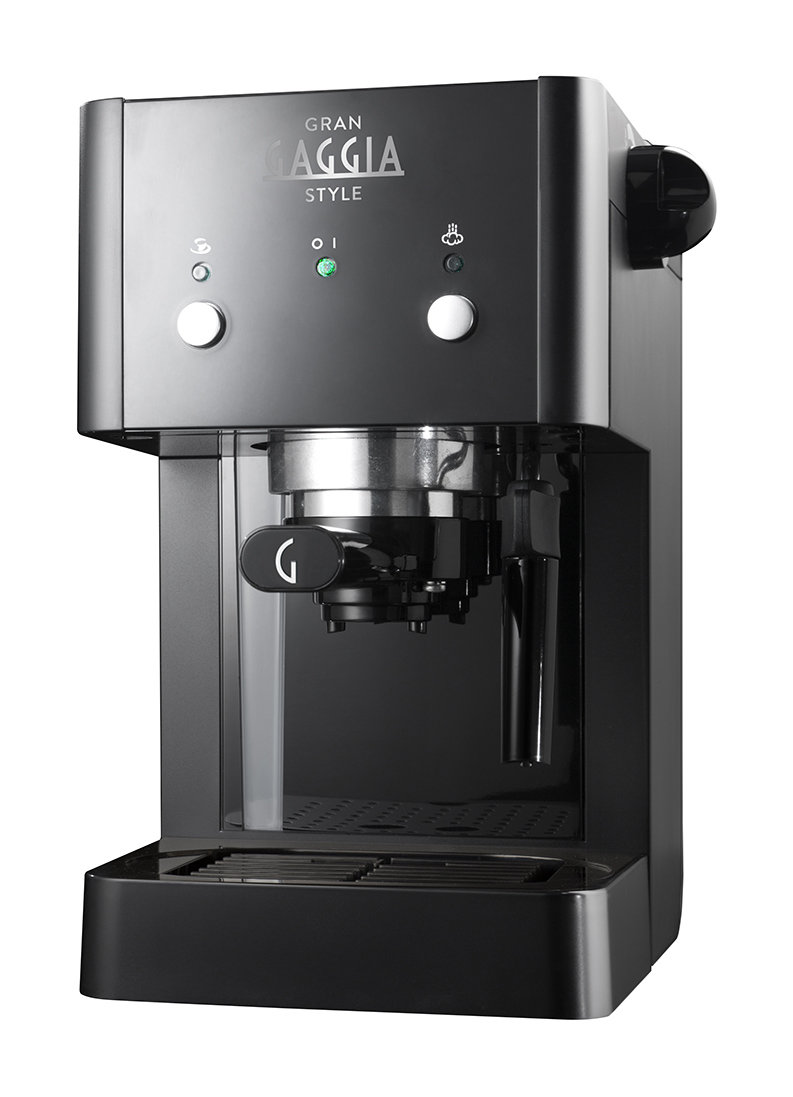
"allowfullscreen"> Another low expense espresso maker which is compatible
with ESE pods, the Gran Gaggia is among Gaggia’s lowest-priced espresso machines. Among the best features of it, in my simple viewpoint, is that it’s a Gaggia, so despite the fact that it’s a very low cost machine, you have the very same fantastic support and service from the Gaggia Direct men in Elland near Halifax, who service and assistance all of the Gaggia devices.
most popular ESE pods: Check Price -Amazon UK Puregusto is among the best selling brands of ESE pods, and Jamaica Blue Mountain coffee is certainly one to try. I’m surprised by the rate if I’m truthful, as this is a relatively low cost for ESE pods, and Jamaican Blue Mountain coffees are notoriously pricey, so I’m not rather sure what the fracture exists, however these pods have lots of excellent evaluations from people who
are singing their applauds. Check Price- Amazon UK Illy developed the ESE pods, so it would appear remiss of me to not recommend an illy ESE pod. These ones are likewise amongst the best selling ESE pods in the UK. To be perfectly honest, they appear a bit pricey to me, although I expect if you work it out per cup then approximately thirty cent per cup is most likely a relatively cheap cup of coffee, and illy is a very well known and well-liked brand name.
Check Price-Amazon UK At about 15p a pop, these ESE pods seem like a pretty good offer, and they’ve had a huge number of evaluations, plus the total review score is among the very best I’ve seen for ESE pods. They list them as compostable pods, although as far as I’m conscious I may be wrong they’re all compostable as they’re simply paper with ground coffee in them.
The individual wrappers themselves, though, are also recyclable, which is better than absolutely nothing. In theory, I would prefer a pod that had no private wrapping, but I’m thinking the requirement to individually wrap them is due to the fact that if the entire pack this is 150 pods remains in one wrapper, they’re all exposed to the air when the pack is opened, and given that the pad itself is just paper, it will not offer an air tight seal.
OK, so I’ve responded to the what are ESE pods question, and I’ve shared the details of some ESE pods plus few compatible espresso machines. Now to cover a few of the regularly asked ESE related questions:
Well, all the brands of ESE pods will state yes, since they just utilize paper filters, but a lot of ESE pods can be found in individual plastic or foil packaging, and not all of them are curbside recyclable. Plus if we’re comparing them to entire bean and pre-ground, then once we’ve added the carbon footprint of producing the paper pods, I would assume that ESE pods aren’t as planet-friendly. This is just an assumption on my part, however, personally, I would assume that no kind of pod, pad, or bag will ever be as environmentally friendly as whole-bean or pre-ground, if I’m incorrect please let me understand in the remarks.
ESE pods are generally 44mm in size, and include 7 grams of ground coffee beans. There are also 38mm and 55mm pods, but the most typical size is 44mm.
Ground coffee, that’s it.
A coffee bag is made to utilize rather of a coffee brewer, it’s like a tea bag for coffee there’s a paper bag that contains ground coffee beans, you put it in a cup of warm water and then remove the bag when the coffee tastes right, essentially. ESE coffee pods are for use in espresso makers, as a more convenient technique to putting pre-ground coffee beans in the basket, or grinding your own.
No, not at all. Nespresso pods and Nespresso suitable pods are made to fit work specifically with Nespresso makers, and Nespresso makers will only deal with Nespresso compatible pods. ESE pods are developed as an alternative to putting ground coffee in the basket, rather, the idea is that you pick up a pre-dosed bag, and put this in the filter.
It depends upon what you imply by as great as, truly. At the time of writing, there isn’t as much variety where ESE pods are concerned, similar to pre-ground, simply since currently most of ESE pods are from huge brand names including Illy who created the ESE pod, Amazon who have their own brand called Solimo, Pure Gusto, and Lavazza. The primary con in my opinion of ESE pods, is the absence of freshness vs purchasing whole beans and grinding them yourself, or purchasing freshly pre-ground from a small batch roaster.
Just like other coffee pods, normally speaking, you wind up paying a lot more for your coffee with ESE pods. When you work it out by the Kilo, you’ll generally end up paying in between around ₤25 and ₤50 per kilo.
Frequently Asked Questions
What does ESE stand for in coffee pods?
ESE stands for Easy Serve Espresso. These pods were designed to simplify the espresso-making process by eliminating the need to grind, dose, or tamp coffee. The pods consist of pre-ground, pre-dosed, and pre-tamped coffee contained in single-serve paper pods that are inserted directly into compatible espresso machines equipped with an ESE basket adapter.
When were ESE coffee pods invented?
ESE pods were invented by Illy in the early 1970s. The pods were created approximately 15 years before the first coffee pod machine was launched, which explains why they are called pods despite being designed for espresso machines rather than pod-based brewing systems. The invention aimed to make espresso preparation more accessible through pre-prepared, single-serve portions.
Can ESE pods be used in Nespresso machines?
ESE pods cannot be used in Nespresso, Dolce Gusto, or Tassimo devices. ESE pods are specifically designed for espresso machines equipped with an ESE basket adapter, not for pod-based brewing systems. The confusion arises because ESE pods share the term “pod” with these other systems, though they serve different machine types and brewing methods entirely.
Do ESE pods require an espresso machine?
ESE pods require an espresso machine equipped with an ESE basket adapter for proper use. The pods are specifically designed for espresso machines that can generate the necessary pressure for espresso extraction, not for standard pod-based brewing systems. Many home espresso machines include the compatible ESE basket adapter needed to accommodate these pre-portioned pods.
What is the difference between ESE pods and regular coffee pods?
ESE pods are designed for espresso machines equipped with ESE basket adapters, while regular coffee pods are designed for pod-based brewing systems. ESE pods contain pre-ground, pre-dosed, and pre-tamped espresso coffee in paper pods that fit into portafilter baskets. The term “pod” in ESE refers to convenience, though the application differs fundamentally from non-pressurized pod-based systems.
You must be logged in to post a comment.