
The Moka Pot is an excellent solution for people who want to make affordable, espresso-style coffee at home. A moka pot uses 1 or 2 bars of pressure, not the 9 bars of an espresso machine, so this coffee is not the same as espresso. In this article, we will discuss this coffee brewer, its history and look into different types of Moka Pots. If you decide the Moka Pot is the right fit for your home brewing routine, you can find out more about the right Moka Pot for you at the end of this article.
This buying guide shows you how to buy the best moka pot and the best stovetop espresso maker for your kitchen. Three stovetop pots are compared below. The picture and the Check Price button on each card open that pot on Amazon.
What is a Moka Pot?
The Moka Pot is a stovetop coffee maker invented by Alfonso Bialetti in 1933. Bialetti marketed it as the ‘Moka Express,’ a design still sold successfully today. This brewer forces hot water through medium-fine coffee using steam pressure, producing a concentrated brew similar to espresso. Understanding extraction and grind size helps users achieve the best results from this classic device.
History of the Stove Top Coffee Maker
If we think about it, stovetop coffee makers are the original coffee brewers that have been used since our ancestors discovered that coffee beans could be brewed and drunk. Our stovetop is just a heat source for brewing the coffee. Before stovetops, we brewed coffee in a pot over a fire. We can technically prepare our Moka Pot coffee on an open fire today if the Moka Pot is the right material. But more on that later.
Up until the 18th century and even for some of the 19th century, coffee lovers still boiled it over a gas fire or stove. There was no science or measurements; they simmered the mix until it smelled right. This lack of precise extraction control often led to bitter or sour results, a problem that later innovations would solve.
Then coffee was introduced to France, where they revolutionized the brewing process. They realized that coffee shouldn’t be boiled directly for optimum results. French inventors began experimenting with controlled temperature and pressure, laying the groundwork for modern brewing techniques.
So they came up with the idea of vacuum brewing, which didn’t burn the coffee in the same way as boiling. The early version of a vacuum brewer was the Siphon. The next coffee maker to replace the Siphon was the Percolator. The Percolator was the most popular method for brewing coffee until the invention of the Moka Pot in the early 20th century. To this day, it is a popular method of brewing coffee.
How does a Moka Pot Work?
The Moka Pot is made up of three parts. The bottom part is the boiler. Water (preheated if you want a quicker brew) is added to the boiler up to the safety valve. Some companies include a water level mark for ease of use.
The second piece, the funnel, is then inserted into the boiler and medium-fine ground coffee is added into the funnel.
The upper part is then screwed onto the base, and the Moka Pot is added to a heat source, i.e. a stovetop. As the water boils, the steam pushes the water upwards. It then passes through the coffee and is collected in the upper chamber. That is how a stovetop espresso maker works.
When you want those steps written out, Moka Head has a step-by-step guide to making stovetop espresso.
Stove Top vs Moka Pot
The Moka Pot is commonly referred to as a stovetop coffee maker. However, there are other types of stovetop coffee makers, such as the classic percolators; the Moka pot is the most popular stovetop today. Unlike percolators that recirculate boiling water, the Moka pot uses steam pressure to push water through coffee grounds at a controlled temperature. The three pots compared below all brew on a stovetop.
Why Choose the Moka Pot?
The Moka Pot is a great domestic coffee solution for lots of people. The main advantage is that it produces a coffee with a stronger and thicker quality similar to espresso coffee. If you prefer espresso to filter coffee, the Moka Pot could be a good option for you.
The Moka Pot is also very inexpensive compared to home espresso makers and is a good way of making espresso type coffee cheaply at home.
Finally, a stovetop Moka Pot requires no electricity. This makes it an excellent solution for campers or people without access to electricity.
Moka Pot coffee vs espresso
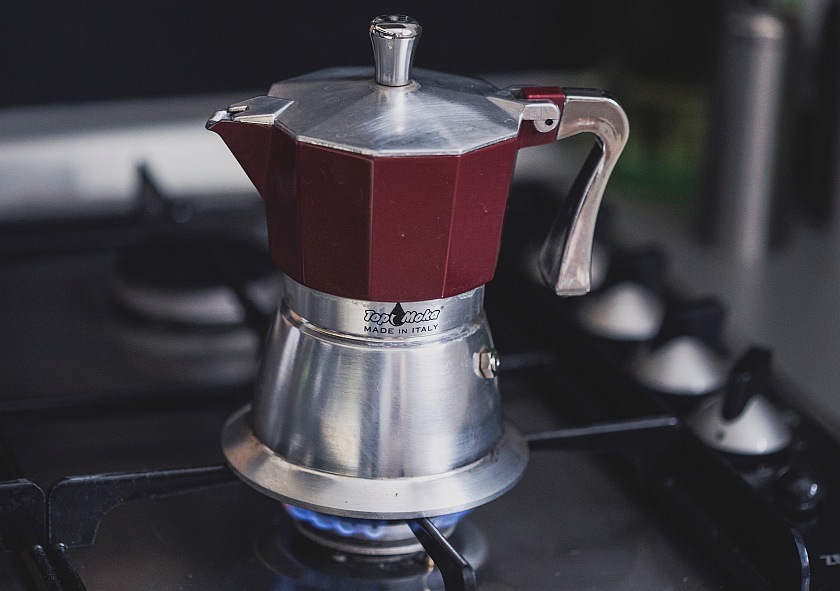
Although similar, Moka Pot coffee isn’t exactly the same as espresso. The Moka Pot uses steam pressure. Moka Pot coffee uses much less pressure than espresso, however. The industry standard for espresso is 9 bar pressure, and the Moka Pot only uses 1 or 2 bars of pressure.
The coffee for a Moka Pot is ground medium-fine, not as fine as espresso. The Moka Pot filter is much bigger than an espresso machine portafilter. This results in less resistance for the water, hence less pressure. The finer grind provides that resistance.
The Moka Pot cannot develop 9 bars of pressure because of the design.
How Does the Moka Pot Coffee Taste?
Moka Pot coffee has a lot of the dark, oily qualities of espresso coffee without being quite as strong to taste. It is somewhere in between filter coffee and espresso coffee if we were to approximate a taste profile.
How to choose the best Moka Pot
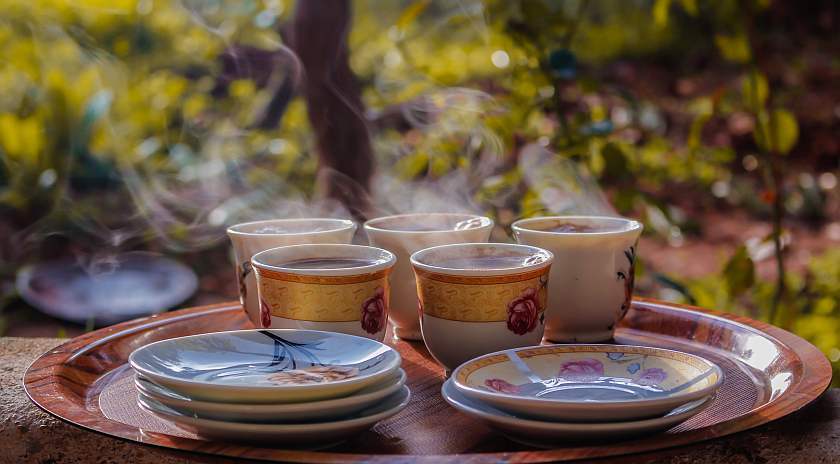
Just a quick disclaimer: Moka Pot cup measurements, in traditional Italian style, are small. A ‘cup’ is generally 50 ml, which is similar to an espresso serving. Bear this in mind and choose your size accordingly.
Material – Stainless Steel vs Aluminium
And so we come to the materials. The original Moka Pot, the Moka Express, is made of aluminium. It is cheap to buy, resilient to heat and a good heat conductor. Having said that it is not resilient to all heat, and so, stainless steel Moka Pots were invented.
Stainless steel is even more resilient to heat than aluminium. Stainless steel Moka Pots are also dishwasher safe. The downside is that they are more expensive. For consistent extraction, a burr grinder set to a medium-fine grind helps avoid sour or bitter notes.
Stovetop Compatibility
Make sure to check out what type of stove you have before you buy your Moka Pot. If you have a stovetop that operates at an extremely high temperature, such as an induction cooker, you will need a stainless steel Moka Pot. Preheating the water before brewing can further improve temperature stability.
A summary of the best Moka Pot Coffee Makers
These three stovetop pots are the shortlist. Each card names the pot, says who it suits, and keeps the photo already on this page. The photo and the Check Price button open the same Amazon page.
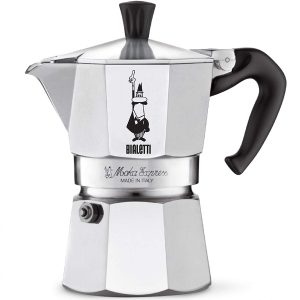
Bialetti Moka Express
The Moka Express is the original aluminium moka pot, and the shape most people picture. It is sold in many sizes. Check Price opens the silver 6-cup pot.
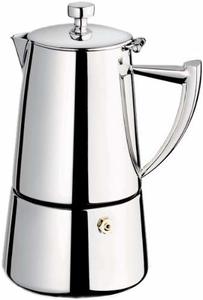
Cuisinox Roma Coffeemaker
The Cuisinox Roma is the stainless steel pot when you want a larger brew. It is induction safe, and the shape looks like a steel French Press. Check Price opens the 4-cup brewer.
Bialetti Elegance Venus
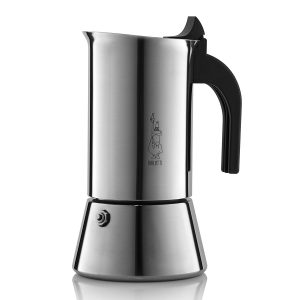
The Bialetti Venus is the stainless steel Bialetti, and the safer pick for an induction cooker. The shape is the elegant one. Check Price opens the 6-cup induction pot.
It’s Decision Time!
The three cards above are the pots to choose from. Check Price opens each one on Amazon, so you can match the pot to your stove and the number of cups you want.
The Moka Pot is an excellent option for home coffee brewing. If you like espresso-style coffee but don’t want the hassle or the price of an espresso machine, this is definitely the right way to go.
If you’ve decided to give the Moka Pot a try, open the card that fits your kitchen. We would love to know how you get on!
Frequently Asked Questions
Who invented the Moka Pot?
The Moka Pot was invented by Alfonso Bialetti in 1933. The Bialetti company marketed their stovetop coffee maker under the name ‘Moka Express’, which remains successfully sold nearly 100 years later. This invention became one of the most popular methods for brewing coffee, eventually replacing the Percolator as the preferred home brewing device.
How does a Moka Pot work?
A Moka Pot consists of three parts: a bottom boiler for water, a middle funnel for medium-fine ground coffee, and an upper collection chamber. Water is added to the boiler up to the safety valve, then heated on a stovetop. As the water boils, steam pressure pushes the water upwards through the coffee grounds into the upper chamber.
What type of coffee does a Moka Pot make?
A Moka Pot produces affordable, espresso-style coffee by passing water through medium-fine coffee using pressure from steam. This brewing method is similar to espresso coffee, making it an excellent solution for creating espresso-style beverages at home without expensive equipment. The pressure-based extraction process distinguishes it from other stovetop brewing methods.
Is a Moka Pot the same as a stovetop coffee maker?
The Moka Pot is commonly referred to as a stovetop coffee maker, but other types of stovetop coffee makers exist, such as classic percolators. While all Moka Pots are stovetop coffee makers, not all stovetop coffee makers are Moka Pots. The term stovetop simply refers to any coffee brewer that uses a stovetop as its heat source.