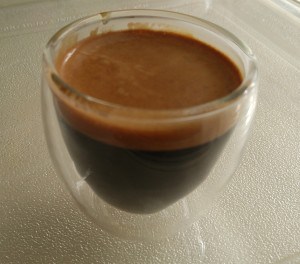
In espresso brewing, a single shot, or solo, is extracted from approximately 7 to 8 grams of finely ground coffee, adhering to the Specialty Coffee Association’s 9-bar espresso standard. This single shot normale espresso typically yields about one ounce of brewed coffee and is crafted using a single filter basket.
True solo shots are uncommon. Typically, single shots in coffee shops are derived from a doppio shot. This is especially prevalent in regions like the United States and the United Kingdom, where a double shot is the standard espresso dose. According to the SCA, in traditional coffee cultures such as those in continental Europe, a single shot remains the standard serving, often prepared using a single filter basket.
Coffee shops generally select a standard espresso dose to maintain consistency and avoid reprogramming coffee machines and grinders when switching between single, double, or triple shots of espresso, as per the SCA-standard 9-bar espresso definition.
The single espresso shot has historically been the foundation for espresso-based drinks like cappuccino, Americano, caffè latte, caffè mocha, and espresso macchiato. However, with the rising demand for larger and more caffeinated beverages, the double shot has largely supplanted the single shot as the standard in milk and water-based espresso drinks.
The Significance and Characteristics of a Single Espresso Shot Overview
In specialty coffee preparation, the term “single” refers to a precisely measured espresso shot extracted from 7-8 grams of specialty-grade, 80+ scoring coffee grounds, typically using a single filter basket. Known as a “solo” in Italian coffee terminology, a properly extracted single shot yields exactly 1 fluid ounce (30ml) of concentrated coffee with a 25-30 second extraction time, as recommended by the Specialty Coffee Association (SCA).
While traditional in European coffee culture, true single shots have become increasingly rare in modern third-wave coffee shops. Most specialty cafes now serve what they call a “single” as half of a doppio (double shot), particularly in markets like the U.S. and U.K. where double shots became the industry standard by the early 2000s. This operational shift reflects both consumer preference and practical workflow considerations.
The Specialty Coffee Association notes that most professional cafes standardize on one espresso dose (typically double) to maintain beverage consistency and streamline operations. This eliminates the need to recalibrate grinders and reprogram volumetric settings between single and double shots during peak service hours. A consistent grind size is critical to achieving this uniformity across every shot pulled.
Historically, the single shot served as the foundation for classic espresso drinks including cappuccinos (traditionally a 1:1:1 ratio of espresso, steamed milk, and foam) and macchiatos. However, evolving consumer preferences for more intense flavor profiles and higher caffeine content (approximately 63mg per single shot vs 125mg in a double) have made the double shot the contemporary standard for most milk-based beverages. The ratio of coffee to water in the basket directly influences the final concentration and body of the shot.
The prominence of double shots underscores specialty coffee’s emphasis on extraction quality, as demonstrated by extraction science research published in the Journal of Food Science. Properly crafted doubles often achieve a superior flavor balance compared to singles due to the increased coffee mass. While single shots hold ceremonial significance in traditional Italian espresso culture, modern specialty coffee practices favor doubles for their enhanced aromatic complexity and body.
Whether preparing singles or doubles, expert baristas emphasize that excellent espresso requires precise control of 9 bars of pressure and a water temperature of 200-204°F (93-96°C), as recommended by the Specialty Coffee Association (SCA). A proper tamp also ensures even water distribution through the puck for a balanced extraction.
You must be logged in to post a comment.